Best 6 Pumpkin Seed Health Benefits

Pumpkin Seeds Health BenefitsDeep green and delicious, pumpkin seeds are a nutrient rich snack that offers many benefits for better health.
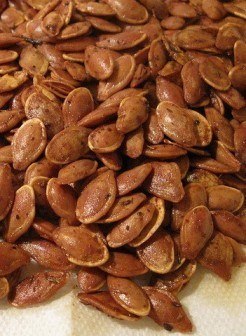
Here’s 6 reasons why pumpkin seeds are so good for you, including preventing hair loss and prostate enlargement, kidney stones and bladder problems, treating arthritis and improving your skin.

These benefits of pumpkin seeds also include high levels of nutrition and the end of this article has the best Styrian and USA grown, raw and organic pumpkin seeds I’ve found if you’d like to start including them in your diet.

Pumpkin Seeds for Hair Loss

Dihydrotestosterone (DHT) is an important male hormone but excessive amounts circulating in the body can cause problems, particularly later in life for men. High levels of DHT are implicated in both hair loss, resulting in male pattern baldness, and an enlarged prostate, also known as benign prostatic hyperplasia.

Continue Reading…

Delicious Homemade Pumpkin Seeds Straight from the Pumpkin


Delicious Pumpkin Seeds Straight from the PumpkinPumpkin seeds are a highly nutritious food with many health benefits. You can eat them all year long if you get bags of the hull-less pepitas, but what about eating fresh pumpkin seeds straight from the pumpkin when they’re in season?

It is quite simple to prepare deliciously crunchy yet healthy homemade pumpkin seeds with the low heat frying method recommended ahead.

There’s also other ways of eating pumpkin seeds and the best raw pepitas I’ve found for the rest of the year.

Preparing Homemade Pumpkin Seeds

Continue Reading…

Why is Pumpkin so Healthy?

Why is Pumpkin Good for YouPumpkins are one of the most overlooked foods in terms of health benefits and nutrients. It seems many people’s only exposure to this extremely healthy food is sugar laden pumpkin pie at Thanksgiving or Christmas.

Even worse, millions of pumpkins are hollowed out for carving at Halloween, with the pumpkin meat and seeds, probably about the healthiest thing in the kitchen at the time, never used.

Pumpkins deserve better. In fact, with the incredible array of health nutrients in pumpkins, they should really be considered a superfood. And one we’d do well to eat a lot more often.

Antioxidant in Pumpkins

Continue Reading…

Why Is Diet Soda So Bad For You?

Side effects of diet sodaAside from being incredibly addictive, diet cola has some strange ingredients that can damage both your digestive system and longer term health. Let’s have a look at those ingredients ahead.

Phosphoric Acid in Diet Soda

Right at the top is the phosphoric acid that gives both regular and diet cola their high levels of acidity.

Alongside its potentially damaging effects on your digestive tract, phosphoric acid tends to reduce hydrochloric acid secretion in your stomach.

This can lead to impaired digestion and has the potential to be one of the causes of flatulence, along with many other health problems.

Caramel Coloring E150d

Continue Reading…

How the Acids in Soda Damage Your Health and Digestion

Soda PhHow exactly did so many of us come to be pouring highly acidic cola down our throats over and over again each day?
And what kind of effect is this acid drink having on our digestion and general health and well-being?

The Acid Levels in Soda

Short of drinking undiluted vinegar, cola is about the most acidic thing you can buy to drink. The pH level of soda is approximately 2.5 (testing seems to come up with results ranging from 2.3 to 3.5 but a pH of 2.5 is commonly cited for the most popular brand name cola).

In the way these the pH of liquids are ranked a pH level of 2.5 is about 10,000 times stronger on the acidic scale than water.

To get an idea of the scale of the acid in soda, by comparison, battery acid that will eat away your skin has a pH of 1.

Continue Reading…

Best 5 Reasons to Stop Drinking Diet Soda

Give Up Diet SodaIf you would like to give up diet soda for good, here are five big reasons why diet sodas can be so damaging to your health and energy.

Hopefully this list can provide the motivation needed to follow through with the 10 Step Plan for Giving Up Diet Soda coming up next.

1) Aspartame in Diet Soda

The artificial sweetener aspartame, found in most diet sodas, is made from two free-form amino acids, phenylalanine and aspartic acid, and the toxic alcohol methanol.

Without the usual slow digestion and other competing amino acids, free-form phenylalanine can hit the bloodstream very quickly and potentially cross the blood brain barrier in unnaturally large amounts.

Continue Reading…

SuperFruit Concentrates in Sparkling Water — A Healthy Diet Soda Alternative

Healthy Soda Alternatives You Can Make at HomeSomething I’ve recently started drinking for their health benefits are superfruit concentrates of high antioxidant fruits and berries.

It struck me, while researching these posts on diet soda, that these superfruit concentrates, that are usually diluted with plain water like cordial, would actually be great mixed with sparkling water.

They really are. And in this form, they make a special kind of healthy diet soda alternative. One that’s close enough to the experience of drinking soda pop, while actually being good for you.

Here’s how I make them and how I’d suggest they’d work as an effective cola replacement or soda alternative.

Continue Reading…

Regular Soda vs Diet Soda — Which is Worse for Your Health?

HFCS vs NutrasweetMost cola and other sodas are packed with staggering amounts of unhealthy high fructose corn syrup or fattening sugar.

With this in mind, is it worth making the switch from regular soda to diet soda with aspartame to help reduce health problems? This page has the answers.

A Comparison of Regular Soda vs Diet Soda

Both regular and diet cola share phosphoric acid, sulfite-ammonia caramel color 150d and caffeine as ingredients. Given this, there is no reduction in the potential damage done to your digestive processes by these chemicals to be had in switching for regular soda to diet soda.

Both have been shown to be very acidic in testing with regular cola having a pH of around 2.5 and diet cola usually testing at a slightly better 3.2 pH.

The main difference, if you were to switch from regular soda to diet soda, would be swapping out the very high amounts of high fructose corn syrup (HFCS) or sugar for the artificial sweetener aspartame.

Sugar or High Fructose Corn Syrup in Soda

Continue Reading…

How to Stop Sugar Cravings with Chromium and Cinnamon

Artificial sweetener withdrawal

Regular consumption of either high fructose corn syrup (HFCS) or the artificial sweetener aspartame can lead to sugar cravings for simple carbohydrates.

Coming off a major source of HFCS or aspartame, like regular soda or diet soda, will be likely to increase these cravings and corresponding withdrawal symptoms.

Alongside caffeine addiction, sugar cravings are likely to be a big reason why so many people find it so hard to break a cola habit. The sugar or high fructose corn syrup in soda has had them on the insulin roller coaster for so long, they find it difficult to get off.

Continue Reading…

Fructose Malabsorption and How It Damages Your Digestive Health

A common, but still relatively unknown cause of digestive problems is fructose malabsorption.

More and more people are becoming aware of the dangers of high fructose corn syrup to their health, but fewer would know that excess fructose can also lead to bloating, intestinal cramps and excessive gas.

Ahead is just what fructose is, why so many people are experiencing fructose malabsorption and a list of both high fructose foods, drinks, sweeteners and fruits and fructose free or low fructose alternatives for better health.

What is Fructose and Where Is It Found?

Continue Reading…

How to Give Up Coffee in 10 Simple Steps

Caffeine replacement planWhen I decided to give up coffee recently, I believe I was able to stop drinking it quite easily because I had the three things from my previous post on how to replace coffee with healthier alternatives in place.

Firstly, I knew I’d been addicted to coffee for many years and admitted that to myself.

To my mind any addiction is a problem because you don’t have control of it – it has control of you. Once you understand how caffeine addiction works you can start to do something positive about it.

Continue Reading…

Replacing Coffee with Healthier Alternatives

How to Replace CoffeeLegal or not, coffee is an addictive drug that affects both your body and brain chemistry. Anyone who drinks coffee regularly and cannot go more than a couple of days without ‘really feeling like’ (needing) a cup is very likely addicted to it.

I was. I drank a cup or two a day most days of the week for many years. In researching all different effects drinking coffee can have on your health, I simply came up with too many reasons to find an alternative to coffee to continue drinking it.

There were two things that particularly surprised me with coffee replacement.

Continue Reading…

Natural Remedies for Caffeine Withdrawal Symptoms

Prevent Caffeine Side EffectsGiving up caffeine often leads to withdrawal symptoms, including irritability, fatigue, difficulty concentrating and caffeine withdrawal headaches.

Ahead are 2 little known supplements you can use to greatly reduce caffeine withdrawal symptoms when giving up coffee or cola.

2 Natural Ways to Reduce Coffee Withdrawal Symptoms

Continue Reading…

7 Digestive Problems with Coffee and Caffeine

Gas and bloating with coffeeAfter doing the research for this post, I gave up coffee. I’m done with it.

I took the last I had to work as an offering to the caffeine addicts there and replaced it with a caffeine-free, coffee tasting substitute I’ll share ahead. It was actually easier than I’d expected.

Giving up their daily caffeine fix is a scary thought for some people. Many of us are far more addicted to this legal drug than we’d like to admit to ourselves.

What I hope to offer with this post is some motivation and momentum to give up coffee. I’ll do this by covering the damaging effects it can have on your gastrointestinal tract and the way these effects lead to various health issues and digestion problems, including flatulence.

Continue Reading…

How to Make Peppermint Tea for Quick Relief from Digestive Problems

Peppermint tea is a very useful tea to drink for indigestion, gastrointestinal problems and preventing flatulence.

You can make it to stimulate digestive juices and ease stomach cramps and abdominal pain.  It has been found to have an anti-bacterial, anti-spasmodic and calming effect on the entire gastrointestinal tract.

Peppermint tea also encourages the gallbladder to secrete bile,
which is used to assist in the digestion of fats. A warm cup of it right before a large meal is a great digestive aid that can really help prevent digestive problems later on.

Continue Reading…

How to Use Peppermint Tea for Bloating and Gas

Effects of Peppermint teaThe effects of peppermint tea are generally lighter and gentler than peppermint oil capsules. The tea is very refreshing, doesn’t need to be sweetened and has a real ‘pick me up’ effect whenever you drink it.

More importantly, peppermint tea can be very beneficial for your digestive system and help alleviate problems like bloating, stomach gas and flatulence.

Peppermint Tea Properties

Peppermint has relaxant and antispasmodic properties and can help relieve cramps and spasms in the gastrointestinal tract, bile duct and gallbladder.

This improves the passage of both food and swallowed air through the digestive tract, allowing them to go through smoothly and without pain or discomfort.

Continue Reading…

Fennel Seed Tea — The Quickest Remedy for Digestive Problems

Benefits of fennel teaFennel is an important herb that has been used safely for many thousands of years in Chinese, Indian, Arabian and Western medicines.

Aside from its value in cooking as a spice, it has been traditionally used as an aid to digestion and it has many health benefits.

Fennel tea is prepared from crushed or ground mature fennel seeds. These seeds are rich in important volatile oil compounds like anethole, fenchone and estragole that are believed to be responsible for its antispasmodic, anti-inflammatory and antibacterial/antimicrobial properties.

Here’s just what fennel tea is good for and how it can help with gastrointestinal problems like bloating, IBS and flatulence.

Bloating and Flatulence

Continue Reading…

Top 10 Gas Causing Vegetables

Gassy VeggiesVegetables are an important part of a healthy diet and provide many valuable nutritional benefits.

Unfortunately certain vegetables can also cause excessive gas and other digestive issues like belly bloat and intestinal cramps.

If you are having problems with flatulence that you think might be caused by vegetables, this page lists the 10 most likely culprits and some simple suggestions to help avoid gas issues when you eat them.

1. Beans

Continue Reading…

A Special Black Walnut Pesto Recipe to Kill Parasites


Black walnut pesto recipeBlack walnuts are a well known human parasite killer and were traditionally used by Native Americans for internal cleansing and digestive problems.

They contain potent compounds like juglone that can rid the body of many kinds of harmful organisms. The still green black walnut hull is even more potent for intestinal worms and you can read much more about it in Using Black Walnuts for Parasites.

This page though will share a black walnut pesto recipe I came up with recently. It includes several other worm killing ingredients and makes a tasty accompaniment to many meals.

Continue Reading…